NORMAN CATHCART DECK
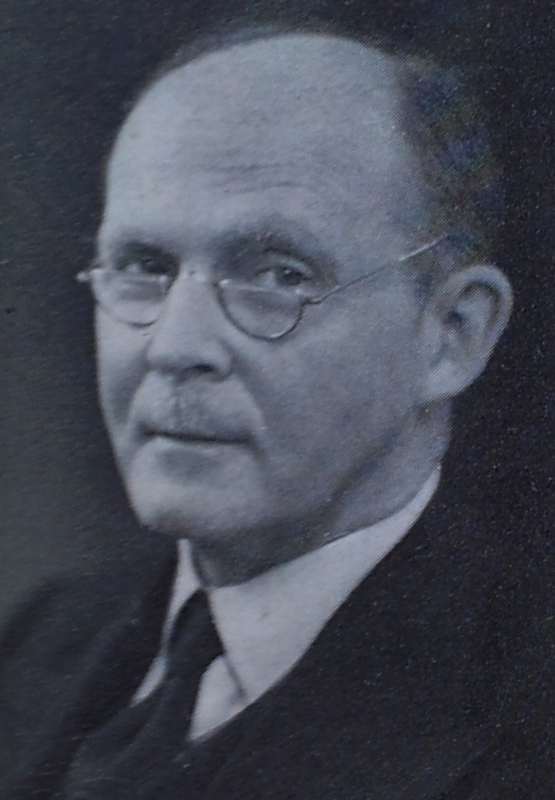
DOB 1882 Sydney
DOD 31st August 1980
1896 joined the Photographic Society of New South Wales and became the youngest member.
1904 was an active speaker and demonstrator for the Photographic Society of New South Wales.
1909 was an active speaker and demonstrator for the Ashfield District Camera Club, which had been formed by his friends Mons Perier and Frank Hurley.
1921 was made an honorary member of the Sydney Camera Circle
Norman C. Deck, photographer and dentist, joined the Photographic Society of New South Wales at the age of about fourteen, in 1894, becoming its youngest ever member. He began exhibiting in his early twenties and began lecturing at the Society at about the same time; in 1905 he won a gold medal at the annual Salon. In Harold Cazneaux's photograph below, he is poring over a special 1905 issue of Studio magazine entitled Art in Photography. Having graduated in dentistry, Norman practised in Cowra and then Sydney before taking up missionary work on the Solomon Islands in 1914; he remained there until 1948, taking many photographs, prints of many of which were lost. Meanwhile, in 1921, he was made an honorary member of the Sydney Camera Circle. After he retired and returned to Sydney, he reprinted his negatives, but used different materials. Curator Gael Newton has described Deck's style as ethereal and romantic, deriving from Whistlerian tonal impressionism; "even in retirement he produced images of Australia as an arcady of mist and luminous light", she writes. Deck's negatives are in the Art Gallery of New South Wales and the National Gallery of Australia has forty-five of his prints.
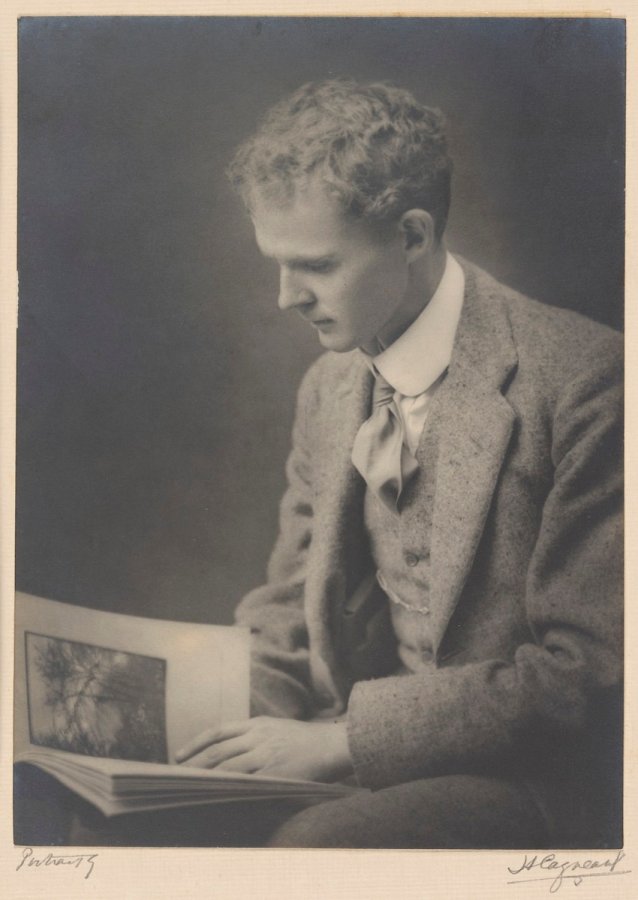
NORMAN C. DECK
by Harold Cazneaux, c.1905
22nd July 1912 Page 197 - Harringtons Photographic Journal
EXHIBITION of PICTURES by NORMAN C. DECK
To have printed the above title on a catalog of photographs a few years ago would have courted derision from artists or brethren of the brush. Now it is accepted and if there are doubters, let them see such an exhibition of picture photographs as shown by Mr Deck and they will doubt no more. Mr Deck's photographs are pictures, no matter the medium employed in portraying his impressions of Nature.
Such an exhibition as the one recently held at the rooms of the Photographic Society of New South Wales will do much to further elevate pictorial photography to a higher plane and must have a beneficial impulsion on all pictorial workers fortunate in seeing it. It was work permeated with personal enthusiasm, artistic instinct and absolute mastery of technique. And this is no over rated estimate by an admiring friend; it is the honest opinion of all visitors to this show capable of appreciating such works of art. One only regrets the little publicity given such an exhibition and the inaccessible rooms in which it was held.
These were factors in depriving a great many people the pleasure of seeing these pictures. Furthermore, the pictures were not assisted in the hanging. Not only was the placing of pictures of unequal sizes side by side, with no suggestion of an ordered arrangement, a distracting note; but the aggressiveness of the tan colored walls was altogether disastrous to many of the pictures. More particularly was this noticed in the many high keyed pictures, noticed for their charming range of subtle tone values. The framing and mounting of all the pictures, without exception, was an education and revealed the consummate artist. Space will not permit mentioning each picture, so our comments will only refer to the pictures reproduced in this Journal, they being amongst the best of the work shown and one only regrets that full justice cannot be given the pictures in the reproductions.
Pride of place must be given to "On The Qui Vive", a fine, spirited picture, with the swish of movement and a composition that was most daring, while the technique and tone values were masterly. It is hard to imagine a better portrayal of such a subject, even by Mr J.F. Mortimer himself. In No. 5 Mr Deck faithfully rendered a beautiful New Zealand mountain and stream; it is a well balanced and harmonious arrangement of light and dark, with a well sustained interest throughout. No. 13 is an example of pictorial photography that would rank side by side with good etchings and mezzotints in any exhibition. It is beyond photography - it is Art. Not only is the composition, tone and value convincing, but the selection and whole arrangement shows the imagination and poetic suggestiveness of an artist and worthily illustrates the beautiful line of the title:
"THERE IS A RAPTURE ON THE LONELY SHORE"
No. 23, "A New Zealand Bluff", is localized by the title, for it is very reminiscent of a Sydney Harbour view; it is particularly pleasing in design, with a fine cloud effect. It could, we think, have been improved by a little trimming of the foreground. THe black shadows across the grassy slope in the foreground were out of value and not suggestive of luminous shadows as seen on the grass. "In The Valley" (No. 29) is a picture, the title of which gives emphasis to the subject. As will be seen by the reproduction, it is a fine, broadly treated Australian landscape, typical of South Coast country. More particularly would we draw attention to the fine concentration centered round the rich mass of foliage and sparkling creek, so well placed in the picture. Fern and bracken are well suggested in the foreground and daringly placed in the corner, but by slight diffusion, that which would in many cases prove disastrous, has in this picture greatly helped a well thought out arrangement.
No. 70, "St James Road", shows us a picture of a familiar subject in an unfamiliar guise; in fact, one could easily believe it was a scene near St. James Park, London, so English is the atmosphere. For broad, simple treatment of values and decorative arrangement, this picture is one of Mr Deck's best works. The treatment of the dark, rich foliage against a light sky and hazy background permeated with sunlit mist, further proves Mr Deck's skill as a craftsman.
Mr Deck exhibited very few portraits, but those few proved him equally facile in handling this subject, as in landscape. "The Portrait of My Father" was his strongest work in portraiture and shows a well lighted and sympathetically treated head of a refined old gentleman. There were in all 70 pictures hung, each one a fair size enlargement and it is pleasing to note that many of these fine pictures were executed on Empire Coralyte paper of various grades. Cream crayon is a particular favorite of Mr Deck's.
Again let us compliment Mr Deck on his very excellent show and at the same time should we not compliment the Photographic Society of New South Wales in possessing such members of the calibre of Mr Deck. The wonder is that the Photographic Society of New South Wales is not 500 members strong, considering the benefits that each member can derive from associating with such men and seeing and hearing "how it is done".
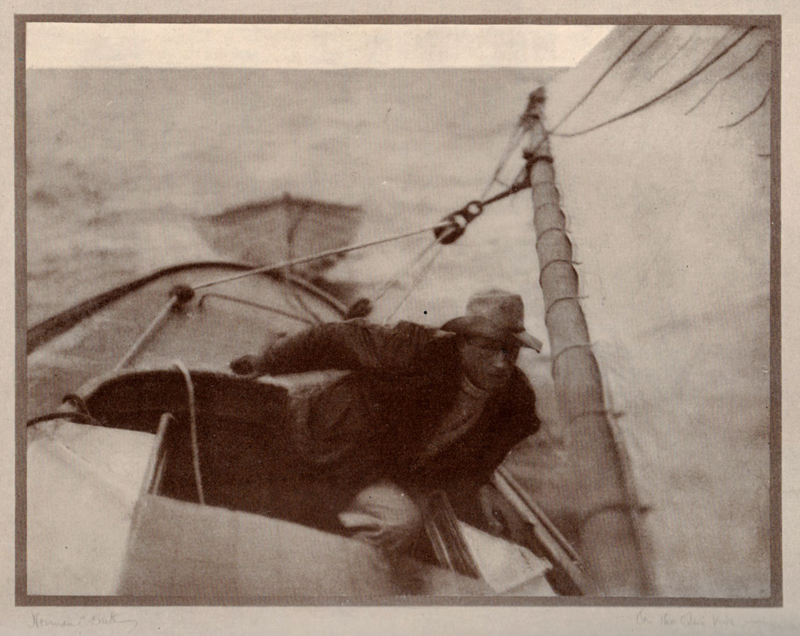
ON THE QUI VIVE
by Mr Norman Cathcart Deck c.1912
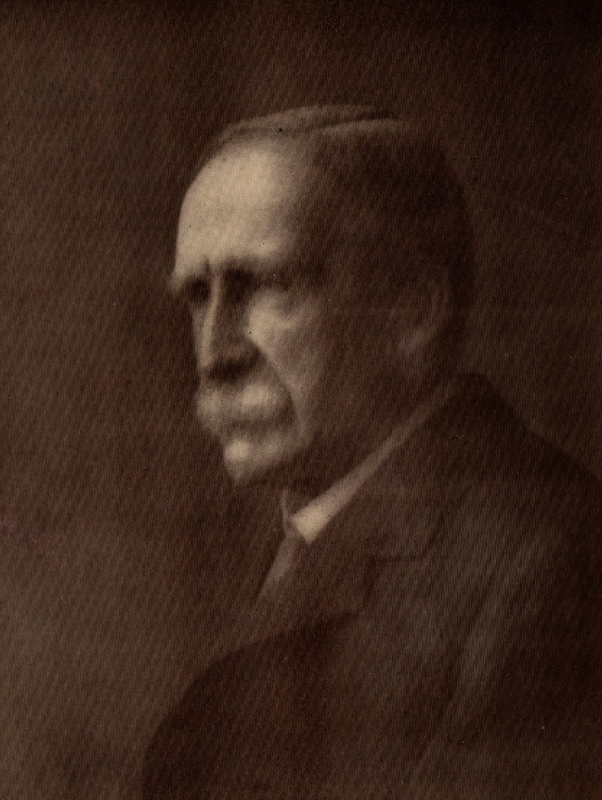
PORTRAIT OF MY FATHER
by Mr Norman Cathcart Deck c.1912
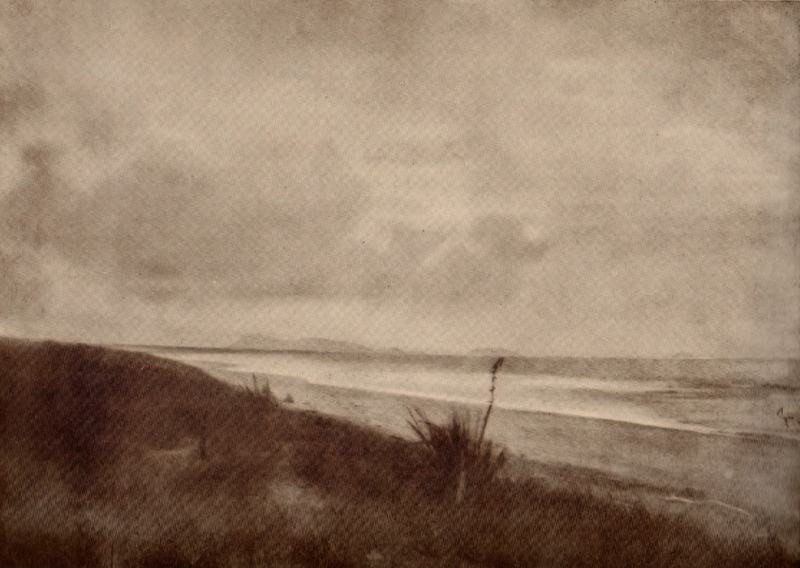
THERE IS A RAPTURE IN THE LONELY SHORE
by Mr Norman Cathcart Deck c.1912
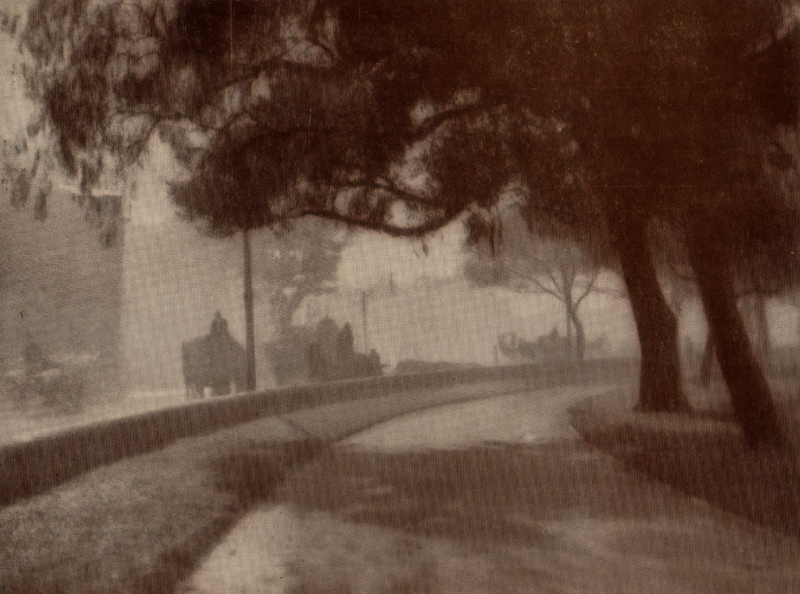
ST. JAMES ROAD, SYDNEY (EARLY MORNING)
by Mr Norman Cathcart Deck c.1912
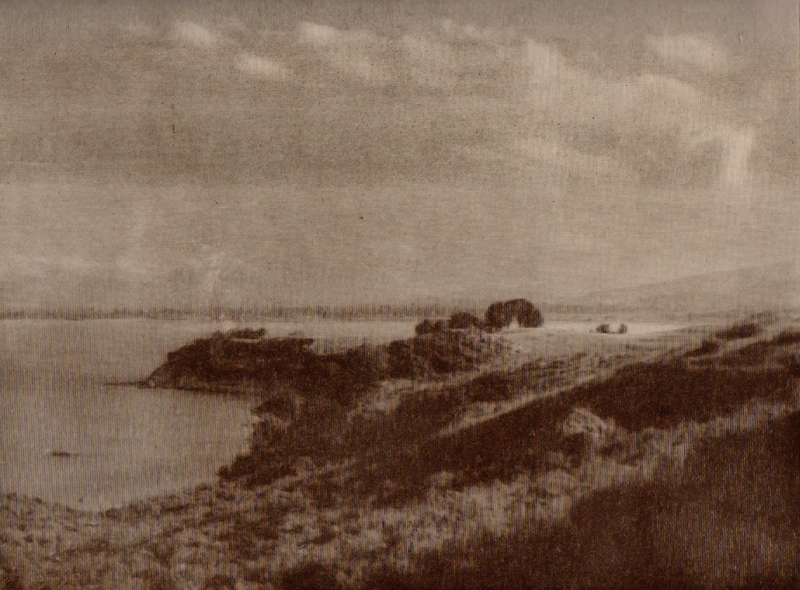
A NEW ZEALAND BLUFF
by Mr Norman Cathcart Deck c.1912
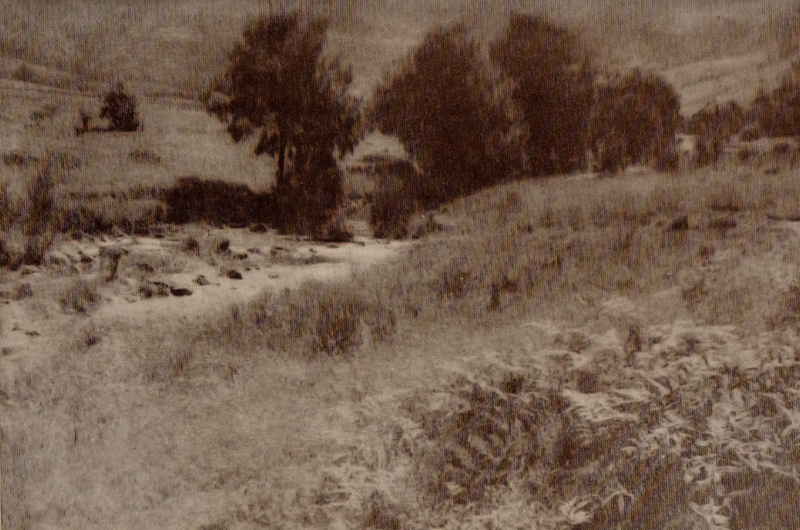
IN THE VALLEY
by Mr Norman Cathcart Deck c.1912
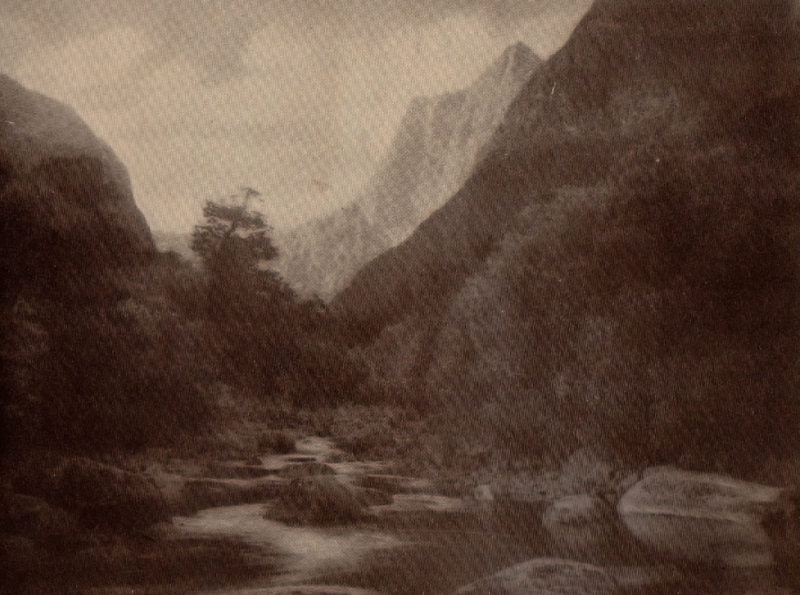
MOUNT BALOON AND MCKINNON PASS FROM THE CLINTON VALLEY
by Mr Norman Cathcart Deck c.1912
January 1951 Page 30 - The Australasian Photo-Review
PICTORIAL PHOTOGRAPHY of NORMAN DECK
At a recent meeting of the Photographic Society of New South Wales, Mr. Norman Deck presented a most interesting selection of pictorial photographs taken by himself through the years. At the same time, he endeared himself to the members present with his amusing and interesting anecdotes of his experiences — both photographic and otherwise.
Without exception, the prints displayed on the walls of the Society’s rooms were technically perfect, tastefully mounted and pictorially masterful. To the surprise of the audience, Mr. Deck went on to explain, as he passed from print to print, that not only had they been taken in all parts of the world — New Zealand, England, Switzerland, Palestine, the Solomon Islands north of Australia and Australia itself — to name but a few — but they represented a small portion only of his photographic efforts from the turn of the century to the present day. It is a tribute to Mr. Deck’s skill and to his painstaking care in the preservation of his negatives that the resultant enlargements were not only the equal technically of anything taken by the skilled photographers of to-day but, in many cases, better than that usually obtained on the negative materials of to-day (not the fault of the manufacturers, of course). Mr. Deck went on to explain that the reason for his success in retaining atmosphere and dimension in so many of his prints was that the majority of them had been taken in either the early morning or the late afternoon. How often do we hear this advice from the “old-timers”?
In connection with his technique, Mr. Deck explained that he did not mind resorting to work on either print or negative to achieve the result he wanted and for that reason he preferred to use a camera taking the larger size negative. And again, as with most of the “old-timers”, he uses a quarter-plate reflex, “as with this camera I can place the hood of the camera close against my forehead, select the subject and in addition, owing to its weight, hold the camera so steady that it is possible at times successfully to use slow shutter speeds, such as 1/10 second”. (NB: Such slow speeds are not usually recommended for hand-held cameras; 1/25 second being usually recommended as the slowest speed at which reasonably sharp photographs may be taken. However, recent research has indicated that 1/100 second should normally be the minimum speed at which the camera should be hand held for reasonably sized enlargements). Mr. Deck stated that he had never bothered with the 24 x 36mm cameras because of the size of the negative and the inability to work on that negative. He, however, stated that he would like to possess one of the higher-grade twin-lens reflex type if he ever did come to use a miniature camera.
So far as the development of the negative and his processing of prints are concerned, here again Mr. Deck showed himself to be a true “old-timer”, for he has developed a technique which, whilst on orthodox lines, yet includes many of his own tricks. As for many years he has been engaged on mission work in the islands, he found there a constant temperature for processing of 80°F., giving him a developing time for negatives of three minutes, using one of the Tabloid type developers (also employing the factorial development method). However, since his return to Australia, he stated that he had been successfully developing his negatives with Kodak Microdol in a tank by the usual time and temperature method. For the preservation of his negatives in the tropics, Mr. Deck varnishes his negatives twice with a mixture of celluloid and amyl acetate, the solution taking approximately two to three minutes to dry on the negative (with therefore little risk of dust settling on the negative during that time).
So far as his printing technique is concerned, he pointed out that the majority of the prints on show had been processed in the standard D-72 formula, which gave him a most satisfactory black. The prints had been made on different kinds of printing papers, including Kodak Bromide and Bromesko, which he stated he found very satisfactory. Other prints were developed in a glycin formula (formula appended). In regard to a number of prints which had been toned, the lecturer pointed out that one of his methods was to bleach only partially the original image, the bleacher consisting of a mixture of Pot. Ferricyanide and Bichromate (with no Pot. Bromide) and darkening being carried out as usual with a Sodium Sulphide bath (see the Kodak Formula book). If the resultant print is not warm enough in tone, Mr. Deck then further bleaches the print a little more and darkens in the sulphide formula. The only prints bleached right out in the bleaching process were those which required re-development with Pyrocatechin. The lecturer also stated that if in ordinary processing he obtained a print with a poor black, he bleached the print with a mixture of Bichromate and Hydrochloric Acid, before re-developing with the pyrocatechin. (A somewhat similar method was recently set out in the A.P.-R. in an article by K.D. Hastings).
In connection with the actual technique of making the print on the enlarger, it was interesting to note that Mr. Deck uses a method described some time ago in an article written by him in the A.P.-R. (and by Keith Neighbour) — that of the use of a scale on the enlarger for indicating the differing exposures for different degrees of enlargement. It is much easier to make a test 4" x 5" projection print from the whole negative (or any size you like) and note the time required to make a perfect print and it is then a simple matter to make larger prints by multiplying that printing time by the different factor indicated by the different size of the enlargement, thereby saving the waste of many sheets of the larger size papers. It is also possible to apply this same principle to control carried out on the print in the enlarging process, "example", noting the time a certain portion of the print is “held back” and another part which may be “printed in” and applying the factor to those times as well.
On the subject of exposure meters, Mr. Deck stated that until recently he had always used a Wynne Infallible meter (a type which involved the comparison of a piece of paper darkened by the action of light with a standard piece of paper on the meter), but nowadays employed (regretfully) an electric meter. However, he stated that he still sometimes uses his new meter in the same manner as with the older type — measuring the light illuminating the subject.
Mr. Deck stated that he used any method to achieve the result he desired on his prints, but pointed out that recent developments in the manufacture of dyes had now made it possible successfully to retouch large areas on prints, by the suitable matching of the color of the dye with that of the print. In this connection, he advised his audience always to retouch with dyes by daylight — never under artificial light.
In reply to questions from the members present, the lecturer stated that he did not consciously compose his pictures in accordance with any given rules, but stated that apparently he had become so accustomed to selecting his pictures that he now did it instinctively without regard to the rules. (Needless to say, many sighs were heard around the Society’s rooms).
Several of the fine prints displayed by Mr. Deck, which should be of more interest to Sydney-siders than many of the others, depicted aspects of old Sydney — one in particular being taken of St. James Road in the days before motor vehicles. Indeed, the most striking thing about the print was its impeccable technique and the lovely atmosphere pervading the whole scene. Another made in the suburb of Haberfield, a landscape, might have been taken in the heart of the country. However, Mr. Deck pointed out that the particular area depicted had now been completely built out.
K.J. Mierendorff
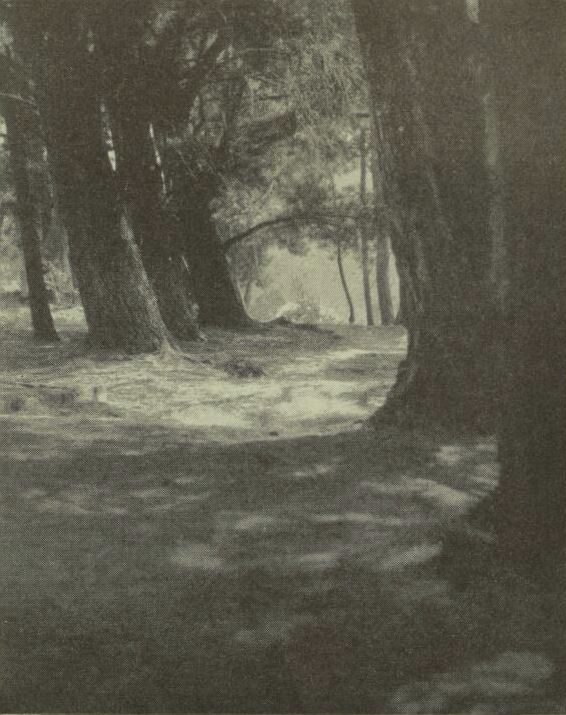
SPLASHED WITH SUNLIGHT
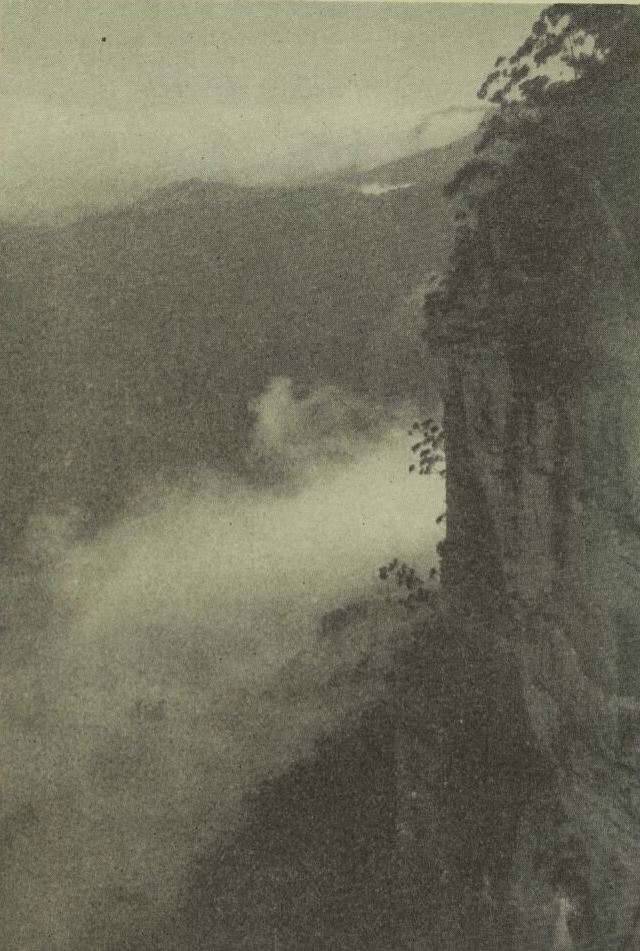
RISING MISTS, KATOOMBA
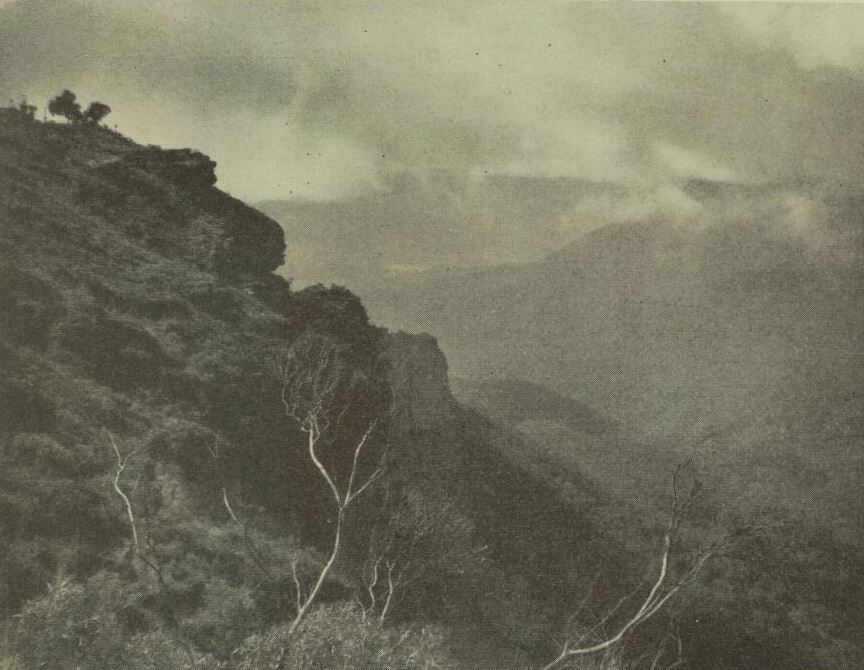
JAMIESON VALLEY, KATOOMBA
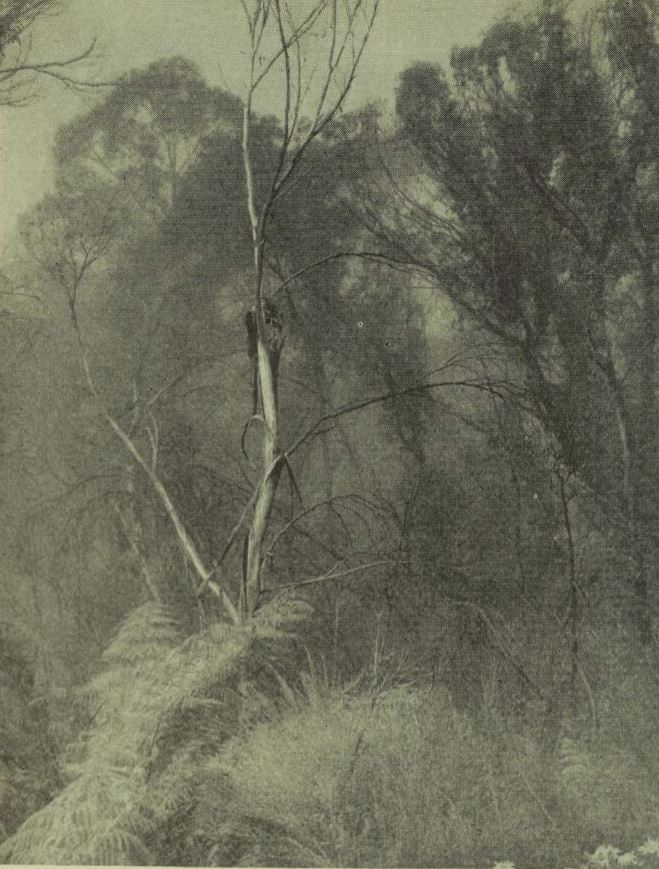
THE DEAD SAPLING
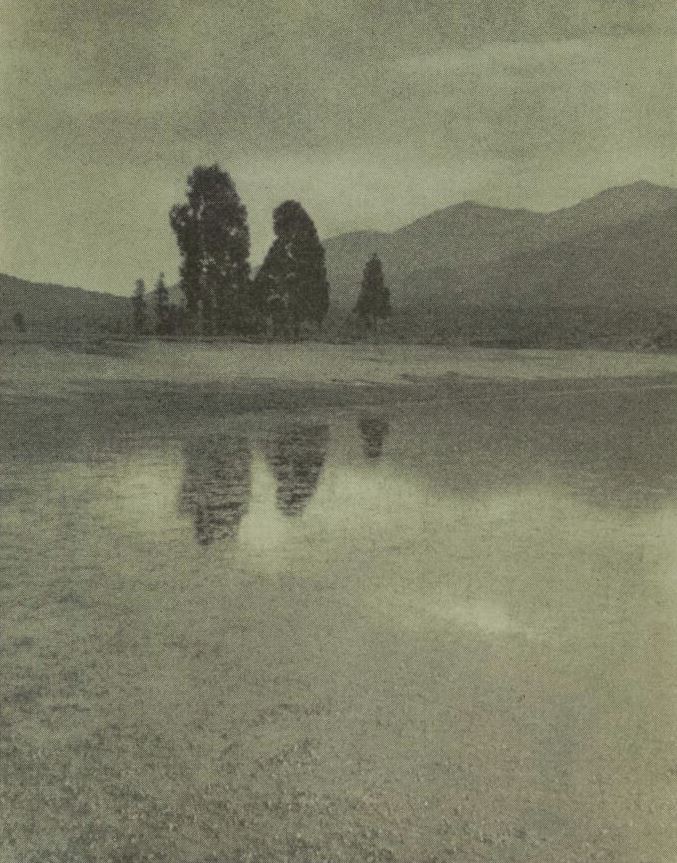
REFLECTIONS, TE ANAU, NEW ZEALAND
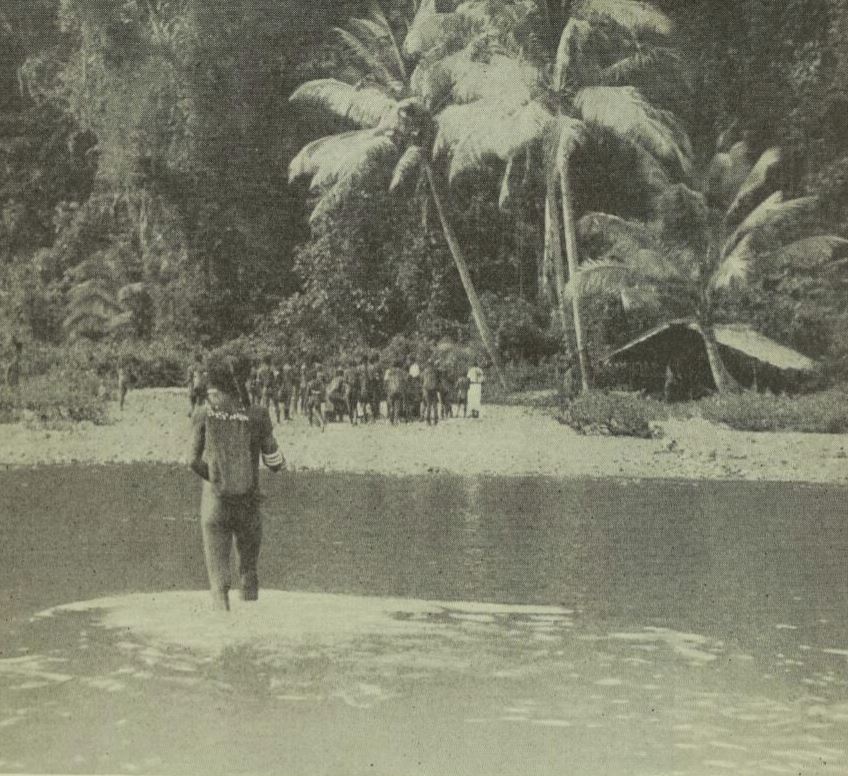
RECRUIT RETURNS HOME
